Physical Address
304 North Cardinal St.
Dorchester Center, MA 02124
Physical Address
304 North Cardinal St.
Dorchester Center, MA 02124

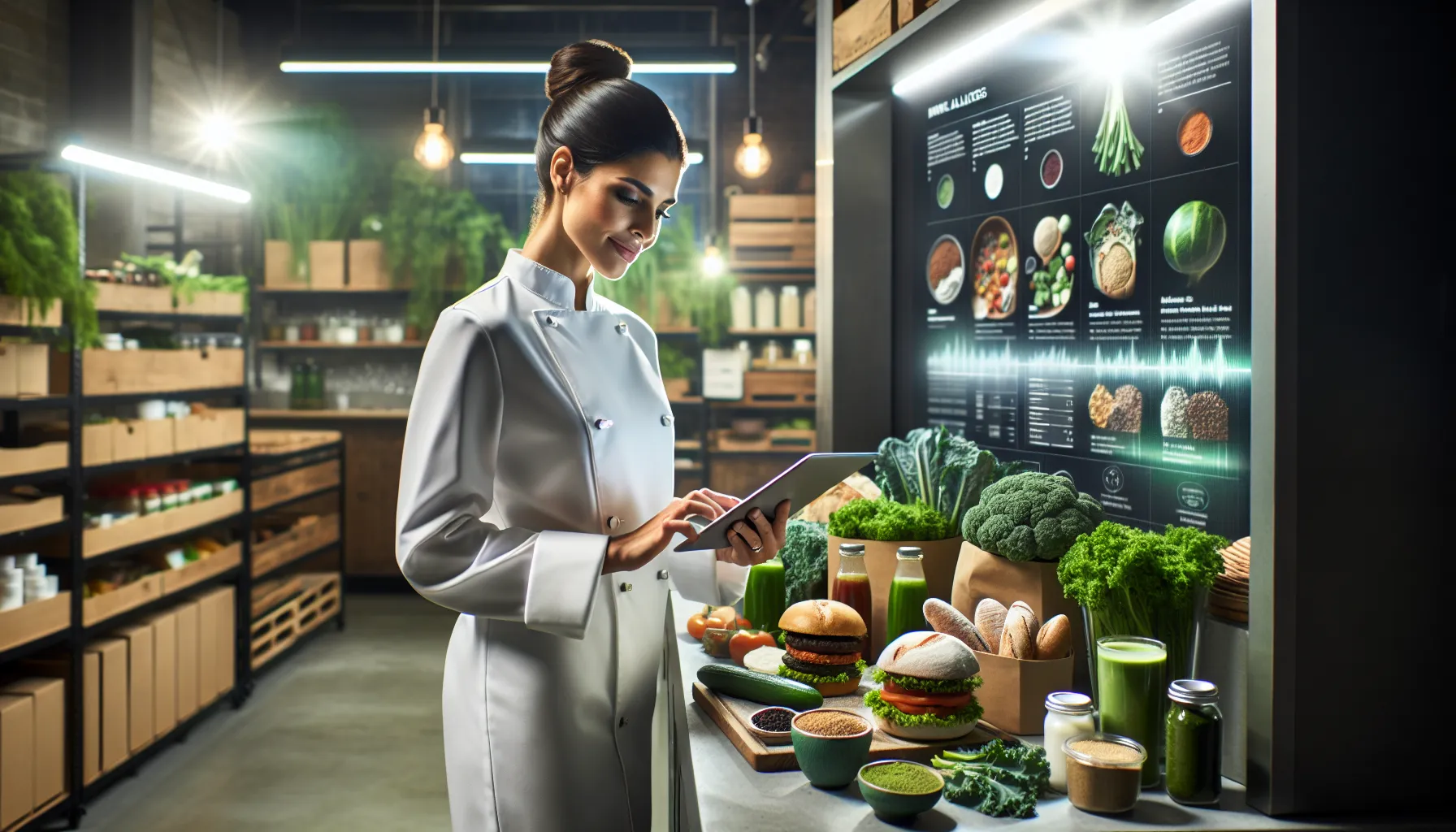
Let’s face it, folks: the food and beverage industry is anything but boring. If you’ve noticed a kale smoothie popping up on every menu, or a burger made from peas, you’re not imagining things. Trends are shifting rapidly, and we’re here to break them down for you. With fresh ideas and innovative practices on the horizon, we’ll explore the currents shaping our plates and glasses today. So, grab your virtual fork and knife as we dig into these delectable trends.
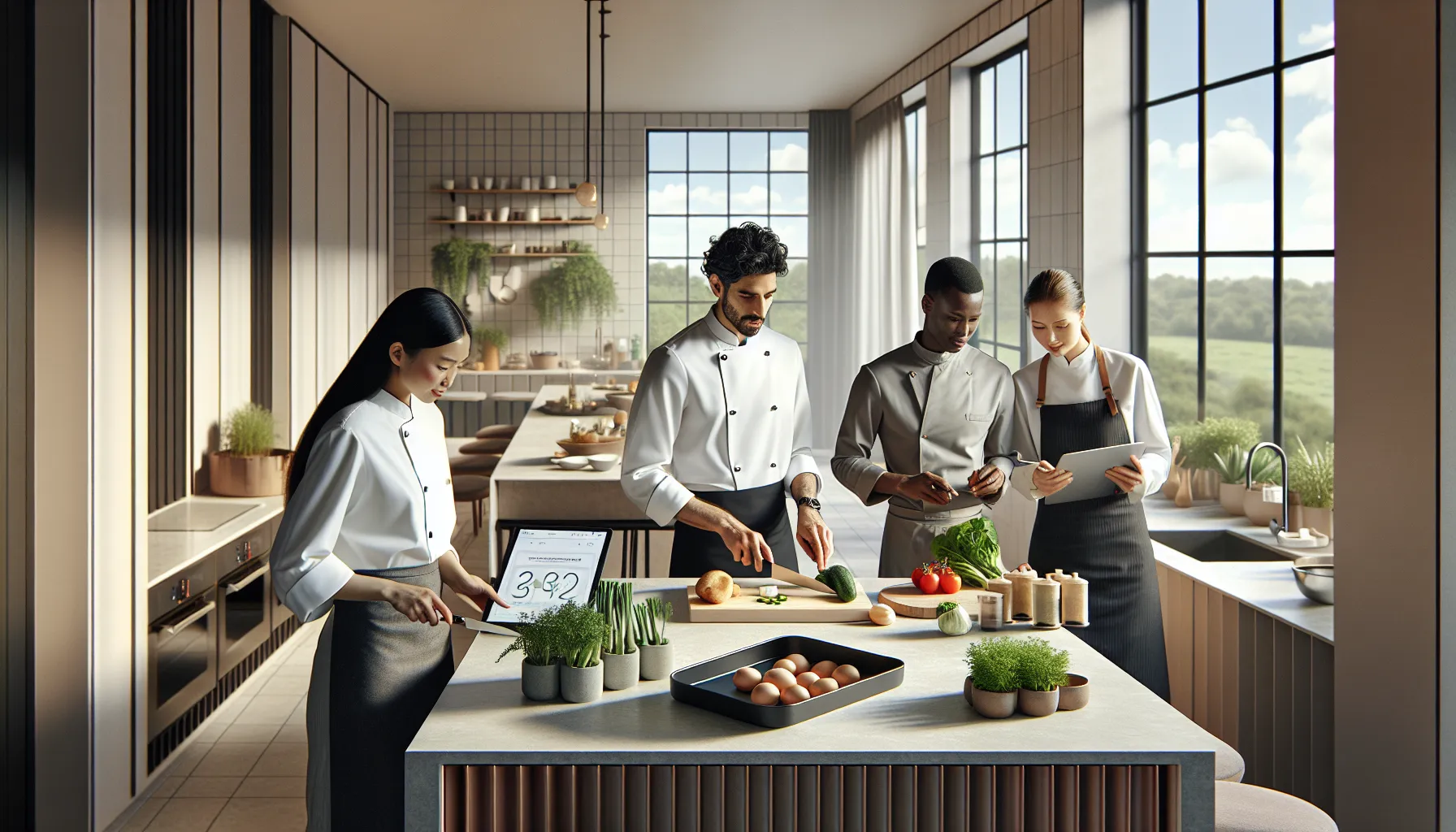
One of the most significant shifts we’re witnessing in the food and beverage sector is the push for sustainability. We’re all aware that our planet could use a little TLC, and brands are stepping up their game by adopting eco-friendly practices. From sourcing ingredients locally to using compostable packaging, companies are aware that sustainability isn’t just a buzzword: it’s a necessity. Not only does this resonate with consumers, but it also helps build a brand’s reputation. Imagine enjoying your meal knowing it’s not leaving a hefty carbon footprint behind.
We can’t deny that health has taken center stage in our food choices. Consumers today are more health-conscious than ever, and they want to know exactly what’s going into their bodies. Enter nutritional transparency. Labels that boast natural ingredients and clear nutritional information have become the norm rather than the exception. We’re seeing a rise in whole foods and functional ingredients, think turmeric-infused lattes and ancient grains, that promise to boost our health. With knowledge comes power, and we feel empowered to make better choices for our bodies.
Let’s talk about food technology, a realm where science meets deliciousness. We’re witnessing astonishing innovations, from lab-grown meats to AI-powered kitchens. It doesn’t stop there: smart appliances are popping up left and right, helping us prepare meals with precision. There’s something both exciting and slightly sci-fi about ordering a meal prep kit tailored just for us by an algorithm. Plus, the use of augmented reality in dining experiences is paving the way for interactive meals that engage all our senses. Technology is changing how we cook, dine, and even grow our food.
The world is getting smaller, and our taste buds couldn’t be happier. We’re seeing an explosion of diverse flavors as global cuisines blend into our everyday dining experiences. Let’s be honest: who doesn’t love a good fusion taco? Authenticity matters, and restaurants are now focusing on bringing genuine international flavors to their menus. From Thai basil in salads to Moroccan spices in desserts, the globalization of food flavors is a trend that celebrates culinary diversity. Our plates are becoming a passport to delicious adventure.
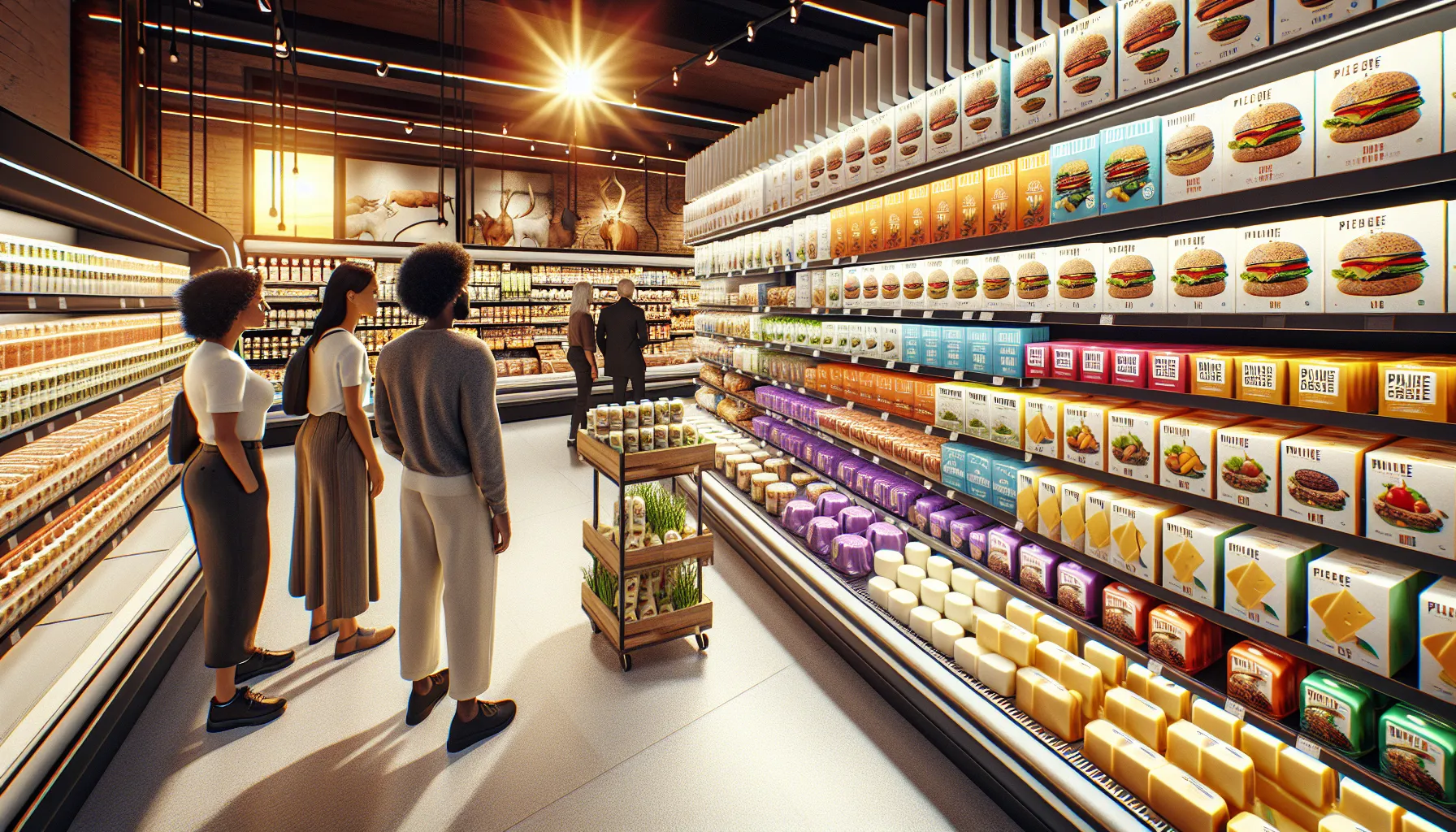
Plant-based is not just a trend: it’s a lifestyle that many of us are adopting. Whether out of health concerns, environmental awareness, or ethical considerations, more people are choosing plant-based alternatives. The creativity in this sector is astounding, from plant-based burgers that bleed to dairy-free cheese that melts. We’re seeing supermarkets packed with options that make it easier than ever to swap meat for plants in our meals. Whether we’re flexitarians or full-time vegans, the rise of plant-based foods is reshaping our consumption habits dramatically.
In this digital age, food and beverage companies are leveraging technology to enhance customer experiences. Mobile apps for ordering and delivery have become standard. Imagine ordering your favorite meal with just a couple of taps on your phone. AI and big data are being used to analyze consumer preferences, enabling brands to personalize marketing strategies and product offerings. Social media is also playing a massive role: influencer collaborations have changed how we perceive and engage with food. Technology is no longer optional: it’s crucial for survival in this bustling industry.
