Physical Address
304 North Cardinal St.
Dorchester Center, MA 02124
Physical Address
304 North Cardinal St.
Dorchester Center, MA 02124

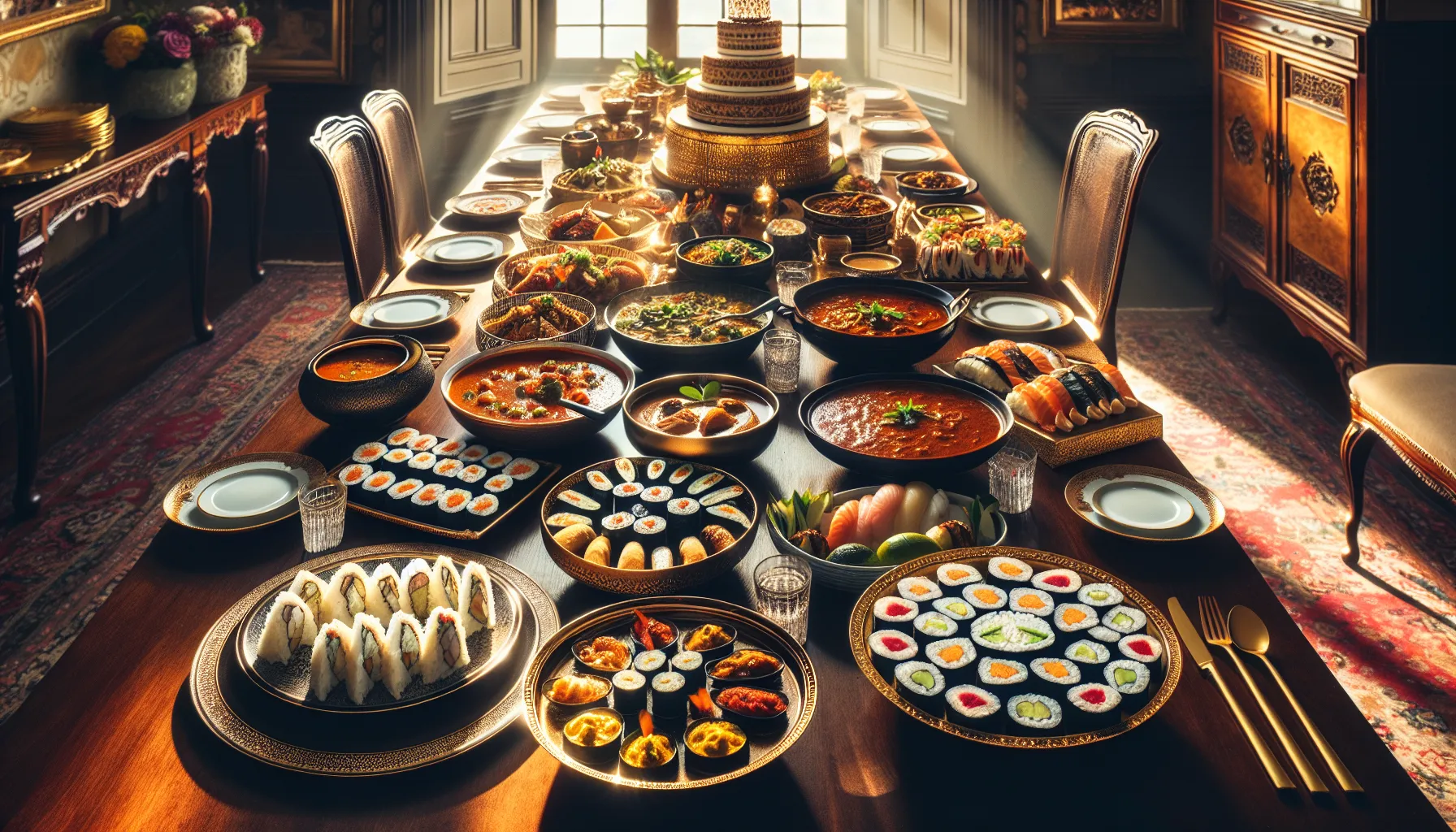
Food is more than just sustenance: it’s a vibrant expression of culture and identity. Each delicious dish tells a story, revealing the history and traditions of the people who prepare it. Join us as we embark on a mouthwatering journey around the globe, discovering why different culture foods deserve a seat at our tables. You might even find yourself craving something you’ve never tried before. Let’s dig in.
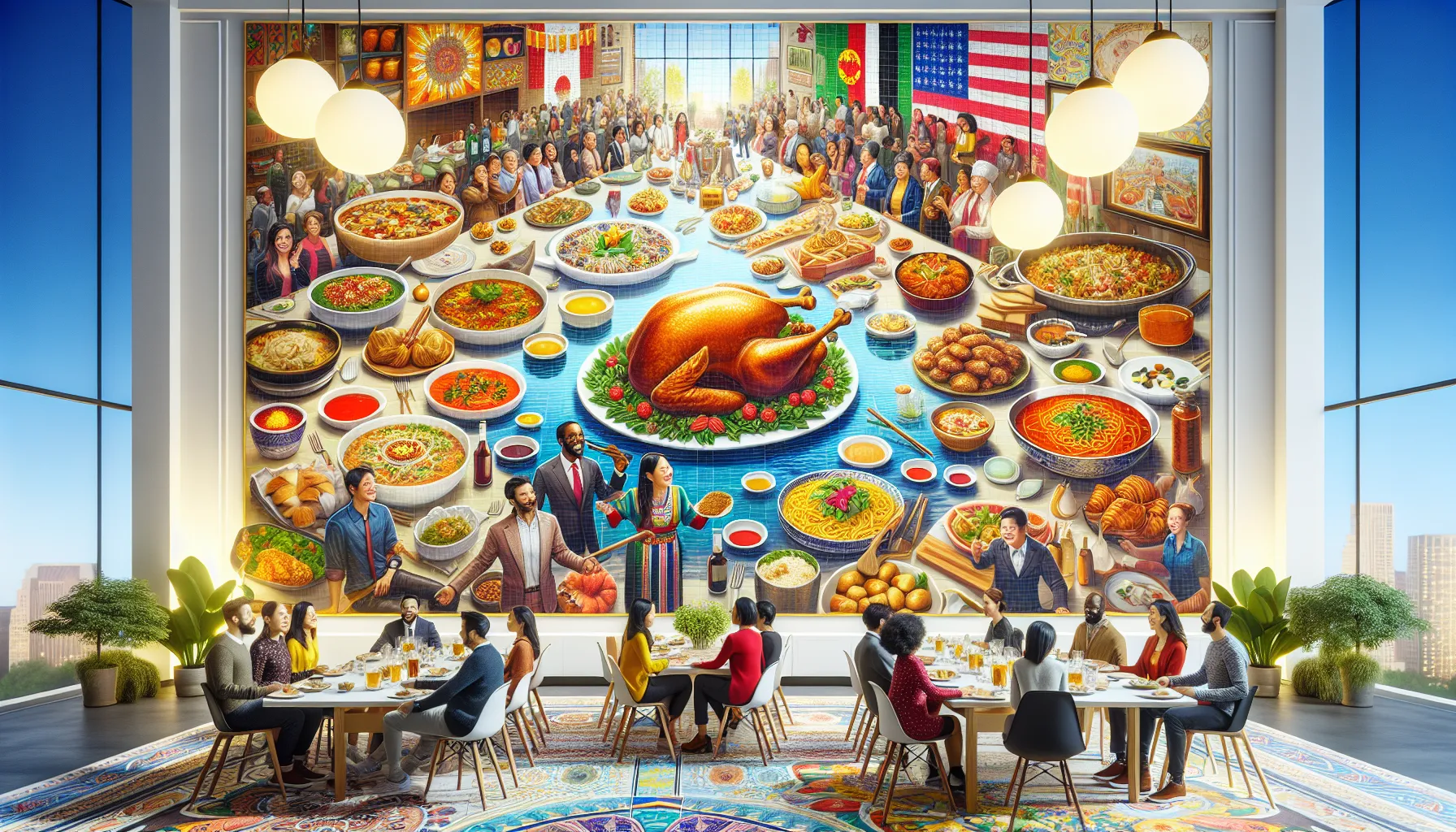
Food serves as a cornerstone of cultural identity. It’s fascinating how meals can define a group, shaping our relationships and traditions. Think about it: when we gather for a holiday or family celebration, what’s often at the center? It’s the food. From Thanksgiving turkey to Lunar New Year dumplings, we bond over shared meals.
Not only does food bring us together, but it also reflects our values and beliefs. For instance, many cultures emphasize communal dining, where sharing food enhances connections. When we break bread together, cultural barriers start to dissolve.
Traveling through different cultures, we find a treasure trove of culinary traditions. Each region presents unique flavors and ingredients, each telling its own story.
From the spicy curries of India to the fresh seafood of Japan, regional foods are essential to who we are. They express what’s reachable, what’s grown, and even what’s traditionally celebrated. In Mexico, for example, corn is celebrated and formed into tortillas, influencing everything from local diets to economic structures.
Equally captivating are the celebratory foods we cherish. Whether it’s a wedding cake in Western cultures or a giant communal feast during Eid, these foods signify that special something shared during important events. They often evoke deep nostalgia, transporting us back to our childhood and loved ones.
As we explore various cuisines, we also need to mind our manners. Food etiquette varies widely and can make or break an experience.
In Japan, for instance, it’s polite to say “Itadakimasu” before eating, showing gratitude for the meal. Meanwhile, in many Middle Eastern cultures, sharing food is a sign of hospitality. It’s not just the food that matters: it’s also the way we enjoy it. Understanding these differences not only enriches our meal but fosters respect and appreciation for diverse cultures.
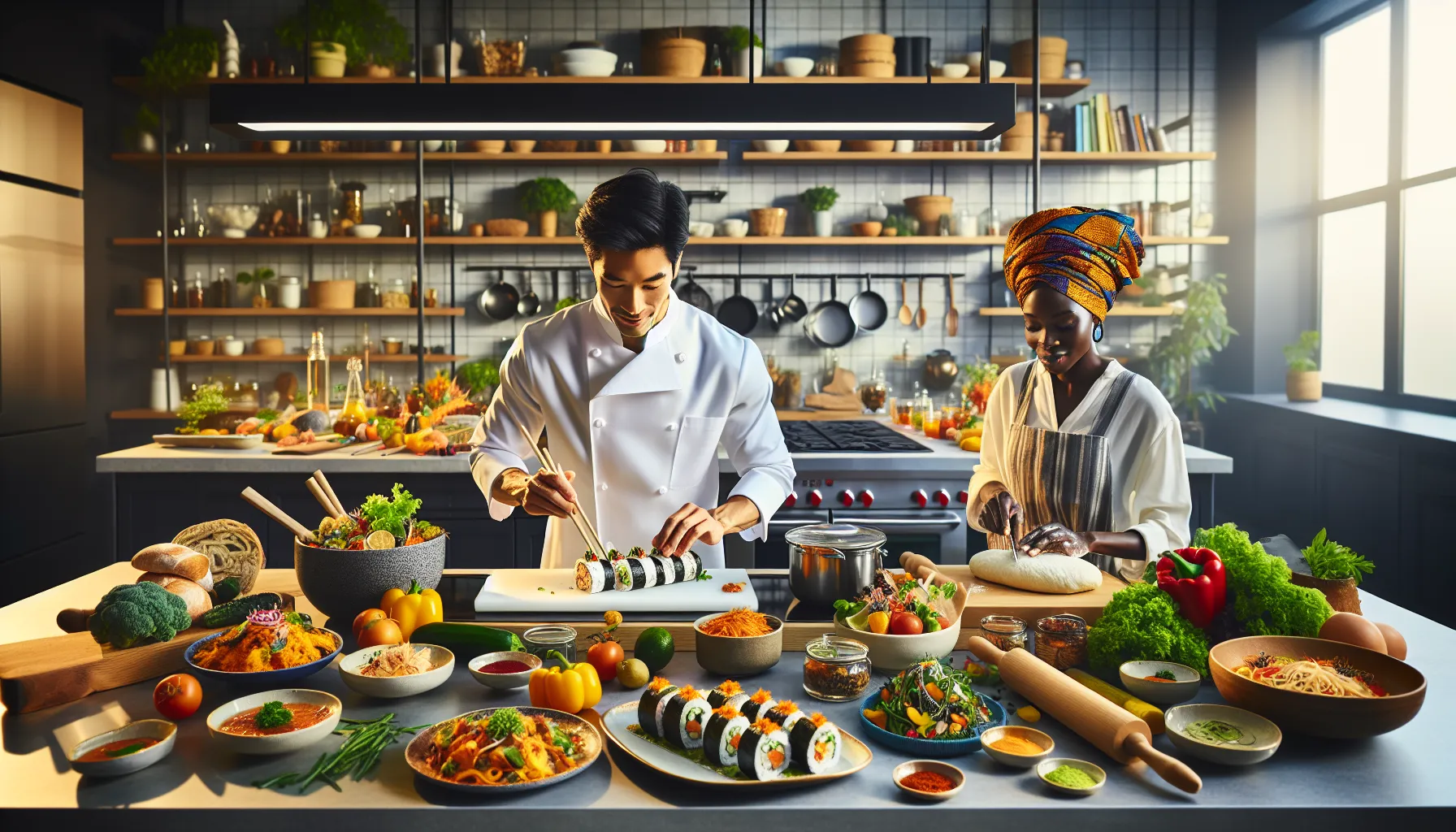
Let’s talk fusion cuisine. It’s where the magic happens when cultures collide. Imagine taking bold spices from Indian cuisine and combining them with Italian pasta. The creativity is endless.
Fusion cuisine enhances our culinary landscape, blending flavors and techniques to create something entirely new. Think sushi burritos or Korean tacos, these delightful concoctions celebrate our global connections. By trying fusion foods, we embrace not just a meal, but the cultures behind them.