Physical Address
304 North Cardinal St.
Dorchester Center, MA 02124
Physical Address
304 North Cardinal St.
Dorchester Center, MA 02124

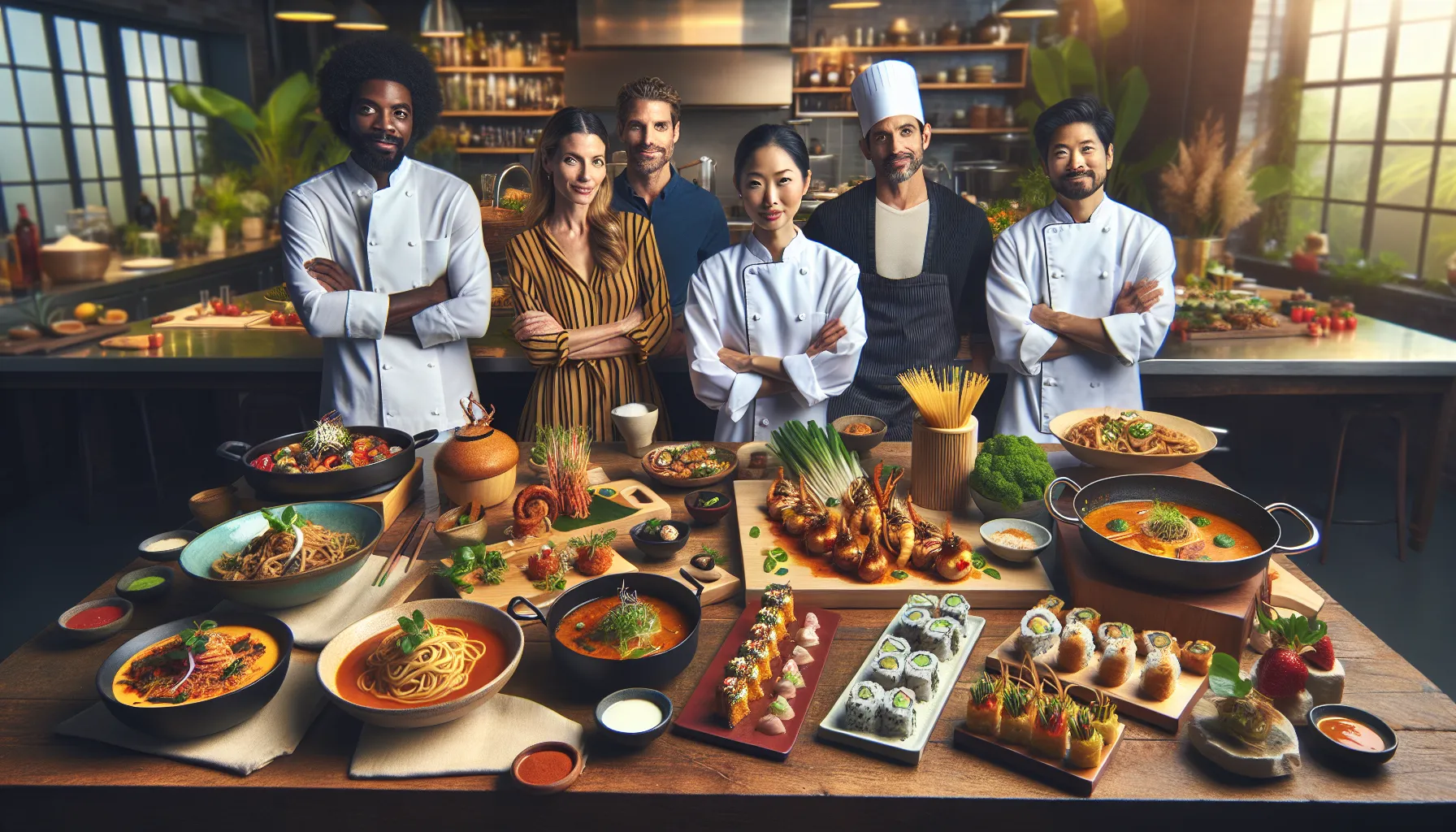
Have you ever bitten into a dish so extraordinary it made your taste buds dance? Right. Unique cuisine is like a passport to a world of flavors, textures, and aromas that can leave us craving more. Here, we investigate into the diverse tapestry of global cuisines that are anything but ordinary. Buckle up: it’s time to embark on a mouthwatering journey where every bite tells a story.
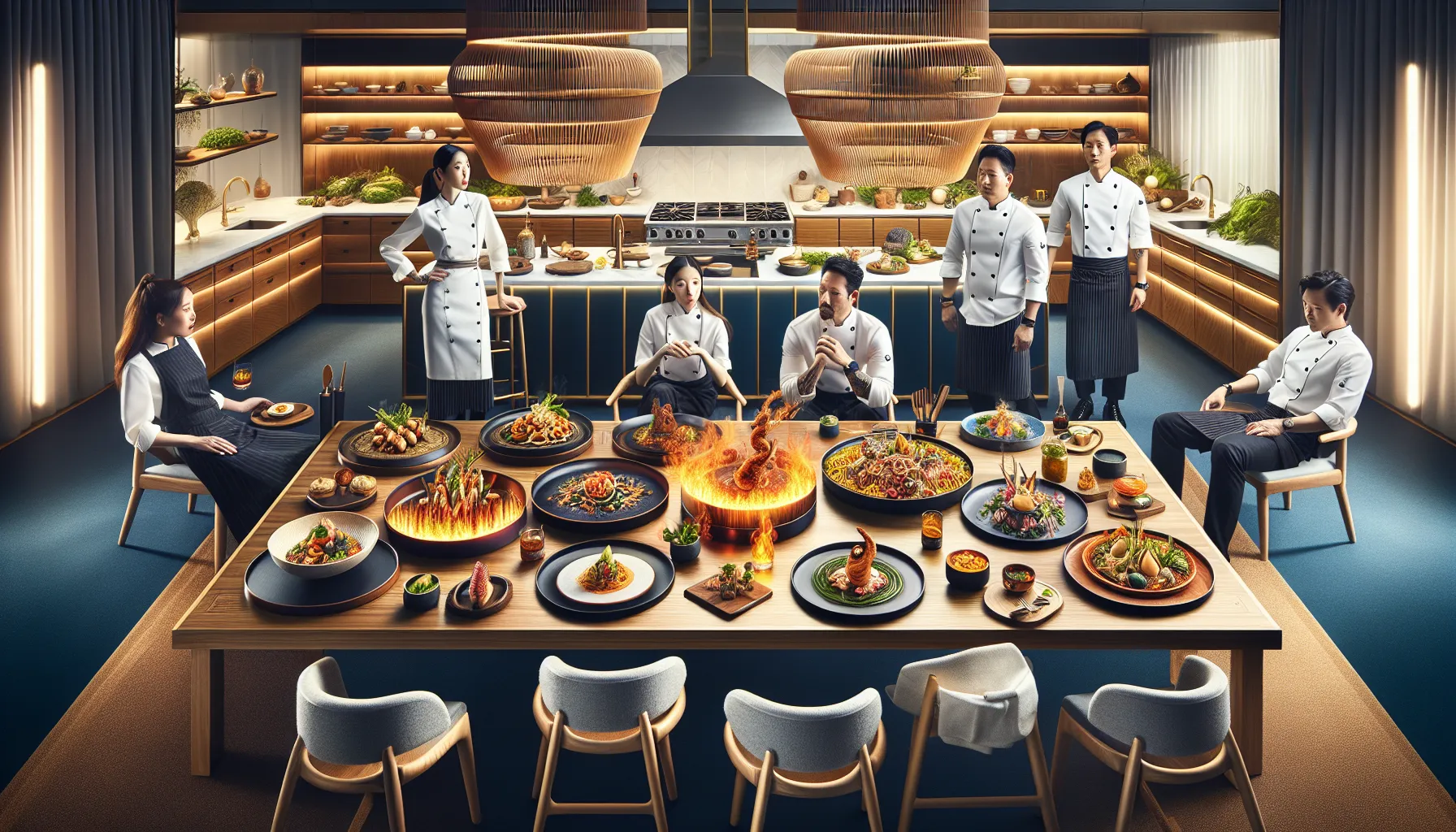
When we think of unique cuisine, it’s more than just a dish served on a plate. It signifies a blend of tradition, innovation, and cross-cultural influences. Unique cuisine captures not only the essence of ingredients used but also the heart of the people who create it. We can spot unique culinary practices through indigenous ingredients, traditional cooking methods, and even the social customs surrounding meals. It’s this rich interplay that eventually defines the uniqueness.
For instance, consider Thai cuisine, where bold flavors like spicy, sour, sweet, and salty come together in harmony. Each dish is a vibrant mosaic of flavor, a perfect example of how unique cuisine transcends the ordinary.
Cultural influences shape every bite we take from our plates. Think about it: historical events, migration patterns, and trade routes all contribute to the rich tapestry of unique cuisines around the globe. When we explore Moroccan cuisine, we find an incredible mix of Berber, Arab, and Mediterranean influences, all coming together in a tantalizing way.
Let’s not forget Indian cuisine, where spice trade and regional agricultural practices have birthed diverse flavors and cooking techniques. This blend of cultural influence creates meals that are as rich in history as they are in flavor.
Traveling the globe through cuisine is our favorite adventure. Every region boasts its own specialties that reflect local ingredients and traditions. For instance, in Italy, we have pasta dishes that vary from region to region, each telling a tale of its origin. In the south, seafood and tomatoes make waves, while the north indulges in buttery, creamy sauces.
Over in Japan, we find sushi and ramen that aren’t just meals: they’re art forms. Each bite reveals the local environment, climate, and people. We can even dig into Ethiopian cuisine, where injera serves as both a plate and a utensil, creating a communal atmosphere around the meal.
Innovation doesn’t stop at flavors: it extends to the cooking techniques that define unique cuisines. Sous vide cooking, once a secret in professional kitchens, has now made its way into our homes, allowing us to achieve restaurant-quality meals. In the world of molecular gastronomy, chefs manipulate textures and temperatures to create mind-bending dishes that challenge our perception of food.
We can even look at the traditional methods, like smoke curing or fermentation used in Korean cuisine, which not only adds layers of flavor but also showcases the ingenuity of preserving food.
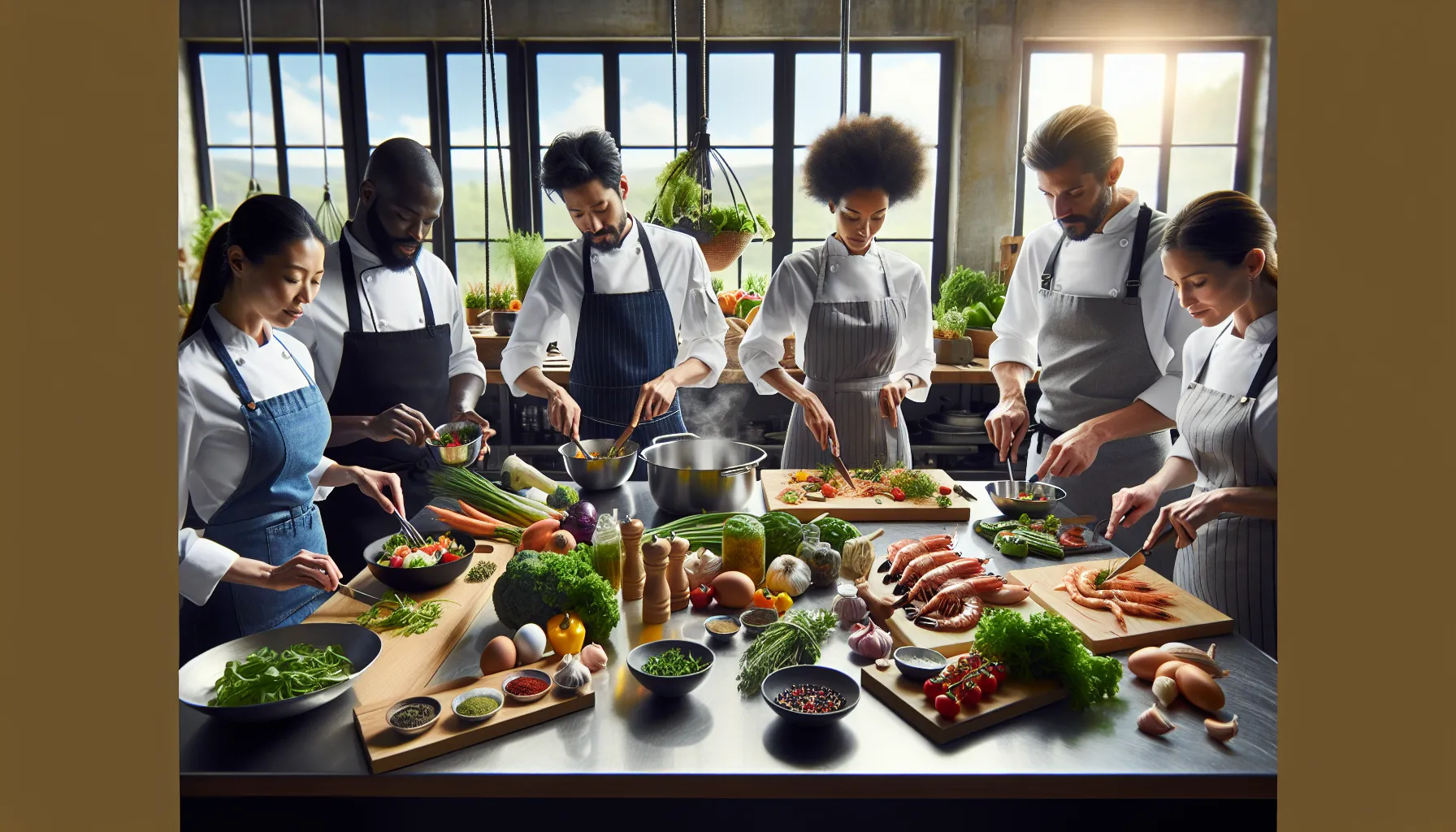
Let’s get to the meat of the matter, ingredients play a crucial part in the uniqueness of a cuisine. Each region offers its own set of flavors, making local ingredients the stars of the culinary world. In the Caribbean, vibrant spices and fresh seafood create dishes that sing with flavor. Meanwhile, in the Arctic, traditional Inuit cuisine relies heavily on local wildlife, providing nutrition while also telling a historical story.
Also, the recent trend of farm-to-table emphasizes the importance of using locally sourced ingredients, allowing chefs to create authentic flavors that resonate with the land.
For us food enthusiasts, experiencing unique cuisine goes beyond just eating. To truly appreciate what’s on our plate, we should immerse ourselves in the culture surrounding it. Here are a few tips to elevate our culinary adventures: